Typeface tuning, adaptation and language extensions
A font should not need manual repair in every layout.
The first message is usually simple: “Can you fix this font?” That may mean missing Lithuanian characters, letters that jump, broken joins, uneven kerning, capitals that are too heavy, or a file that designers outline and reposition every time they make a banner. Typeface tuning keeps the character worth keeping and repairs what fails optically or technically.
Show what is not working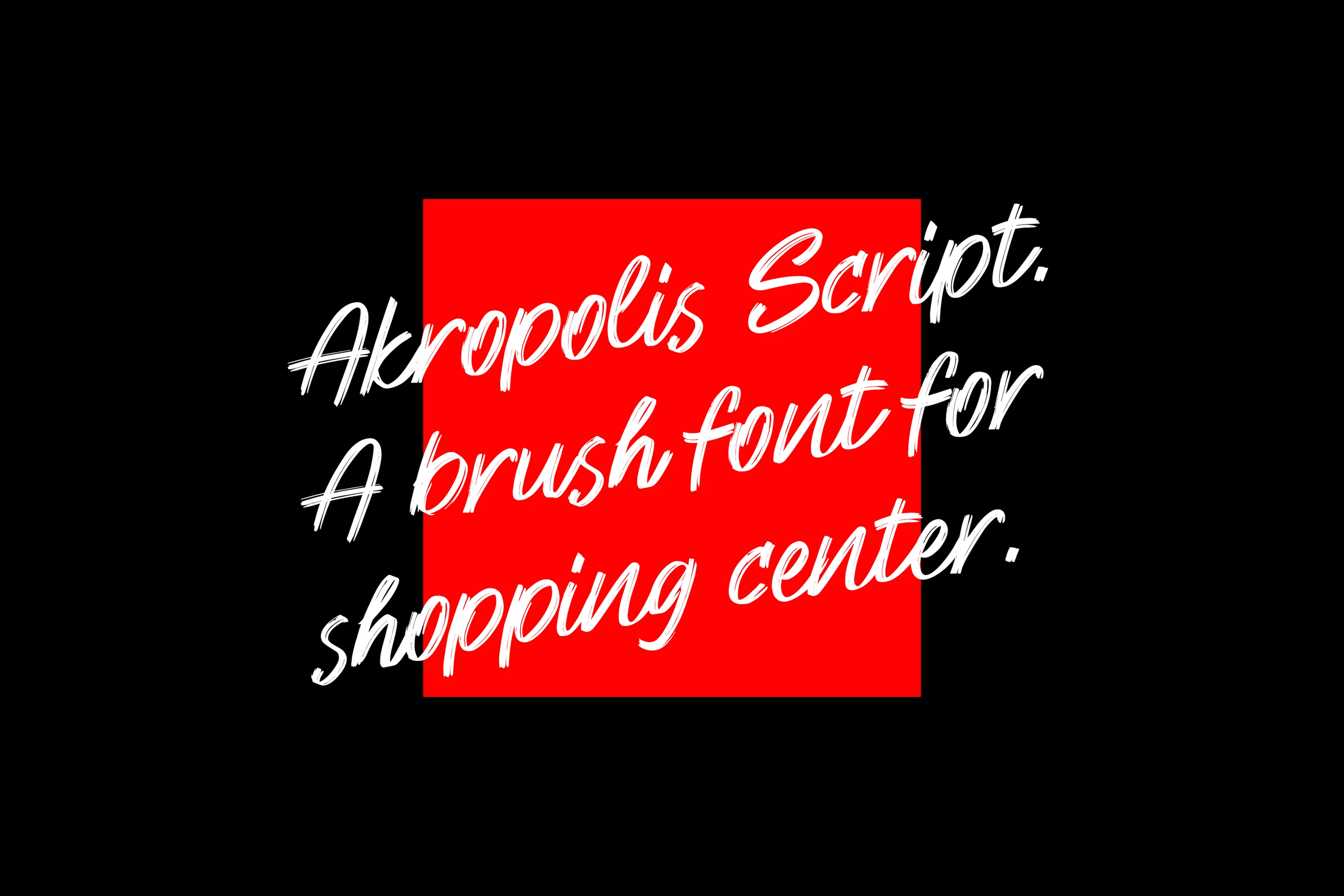
What “fix the font” can mean
Find the failure first. Then decide how much of the typeface needs rebuilding.
Characters that do not exist
Draw Lithuanian or other language characters, diacritics, punctuation and symbols so they look native to the existing family.
Characters that jump
Repair baselines, heights, proportions and optical weight. These faults are especially visible in capitals, display faces and irregular scripts.
Joins, spacing and kerning
In a connected script, test real letter pairs, entry and exit strokes, ligatures and alternates. Class-based kerning alone is often not enough.
Styles, weights and widths
Regular, Medium, Italic, Condensed and Wide are not automatic copies of one drawing. Every family member in scope must be designed and reviewed.
Font engineering
Build, version and validate the fonts in FontLab. Adobe applications and the client’s target environment are checked when they are part of the real workflow.
A new corporate typeface
When repair would mean replacing the whole system, compare a proprietary family with the adaptation: styles, weights, languages, alternates, rights and maintenance.
Working sequence
From one broken word to a dependable font file.
- 01
Rights and files come first
Review the licence, identify the designer or foundry, inspect the source files and confirm modification rights before drawing begins.
- 02
Find where the typeface breaks
Use real words and layouts to identify failed joins, uneven rhythm, poor readability and the corrections the production team repeats by hand.
- 03
Recover its drawing logic
Build a direction and a representative character set. The aim is not to paste on a foreign detail but to continue the same movement, contrast and mood.
- 04
Extend and build the family
After an intermediate approval, complete the agreed Latin coverage, scripts, styles, alternates, joins, kerning and OpenType behaviour.
- 05
Test a living system
Large word and pair tests catch most faults. An agreed warranty period after handover covers rare combinations that surface only in day-to-day production.
Akropolis Script
The approved typeface was not yet ready for everyday production.
The agency arrived with a chosen brush script. A designer could outline and reposition letters in one layout, but banner production exposed the system: joins broke, letters jumped, capitals were too heavy, some forms were hard to read, diacritics were missing and kerning needed constant repair.
The original designer was contacted, the required files were purchased and written modification permission was secured. Over roughly four months the Latin set was repaired, Cyrillic was added, and the family was expanded with ligatures and alternates to more than 340 glyphs. Testing and warranty corrections continued after the initial handover.
See the Akropolis Script processTechnical limits
Questions to settle before production.
Can any licensed typeface be modified?
No. Modification, derivative work, embedding, internal distribution and platform upload permissions depend on the relevant licence. Twelve Moons can identify the practical questions and available files, but does not provide legal advice or override a foundry's terms.
Is Lithuanian support only a set of nine letters?
No. The exact character set depends on the required languages and content. The design work may also extend across weights and italics, and include combining marks, anchors, spacing, kerning, punctuation and proofing in representative words.
Does every font need testing in Canva, Office and every Adobe application?
No. The primary technical check is completed in FontLab, with an applied double-check in Adobe software. Canva, Office or another platform is added when the client actually uses it or has reported a specific failure there.
Does Twelve Moons complete font engineering?
Yes. Drawing, technical construction, OpenType behaviour, kerning and exports are treated as one system. An additional language specialist is only needed when the scope moves beyond familiar Latin or Cyrillic writing systems.
What is needed for an initial scope?
The font family and licence source, available files, required languages, styles and weights, intended platforms, examples of current use and the date by which the files must be operational.
Initial scope
Send the files, licence source and required environments.
A font name alone is not enough. Include the styles in use, the languages that fail, where the files need to be installed or embedded, and any foundry correspondence already available.
Request a typeface scope