How to Roll Out a Brand Typography System Across a Team
A typography system is not implemented when the guideline PDF is delivered. It is implemented when the team can produce consistent work without constant correction.
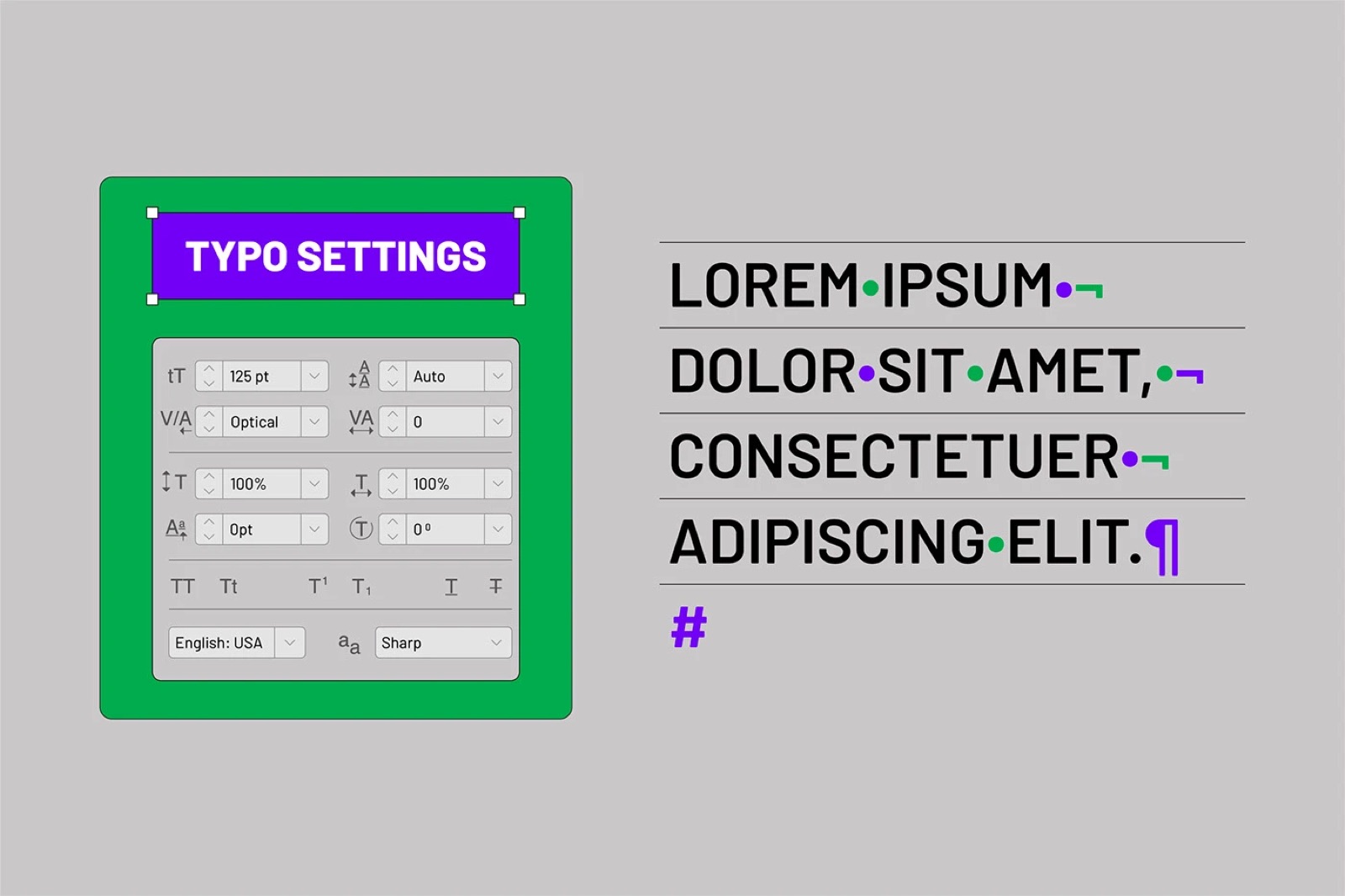
A typography system is not implemented when the guideline PDF is delivered. It is implemented when the team can produce consistent work without constant correction. This guide separates the decisions, evidence and handover needed to make that idea usable.
1. Replace the old asset path.
Publish one approved source for fonts, logos, templates and guidelines. Archive obsolete files without leaving several folders that all appear current. Record licence ownership and the teams or suppliers allowed to use each file.
Where automatic replacement is risky, prioritise the templates that generate the largest volume of communication.
2. Encode recurring decisions.
Update presentation masters, social templates, documents and other repeatable formats. Templates should reduce low-value decisions while preserving the flexibility the content needs.
Test them with long titles, dense information, different languages and users who were not part of the design project.
3. Train with the team’s actual work.
A practical workshop should use real examples from the organisation. Explain why the roles exist, demonstrate common failures and let the team correct an example using the new rules.
Training is especially valuable when many editors or suppliers create high-frequency content.
4. Give external partners a controlled handover.
Provide the relevant subset of assets, licence instructions, templates and approval routes. A printer, motion partner and digital agency may need different materials. Do not solve this by sharing an unrestricted archive with everyone.
Define who answers questions and who approves exceptions.
5. Review the first live outputs.
Check a representative batch after launch. Separate system defects from training gaps and from one-off execution errors. Update the rules only when the same issue recurs or a genuinely new use case appears.
Twelve Moons can include implementation rules and a focused team workshop within an agreed brand typography scope.
Before commissioning the work
Questions that clarify the scope.
Should all old templates be replaced at once?
Prioritise by volume, risk and visibility. A controlled sequence is often safer than an untested mass replacement.
Does the whole team need font files?
Only users whose work and licences require installation should receive them. Others may work through approved templates or platform fonts.
When should guidelines be updated?
Update them when a recurring new requirement appears or evidence shows that an existing rule cannot support real use.
Brand typography
Show where the current identity stops working.
Send the current identity, priority applications, required languages and the decision that triggered the project. That is enough to define whether the next step is an audit, a typography system or a wider refresh.
Discuss the project