
How to build a packaging system for a growing product range.
A strong pack can sell one product. A strong packaging system keeps the brand recognisable when that product becomes a range of flavours, formats, sizes and future launches.
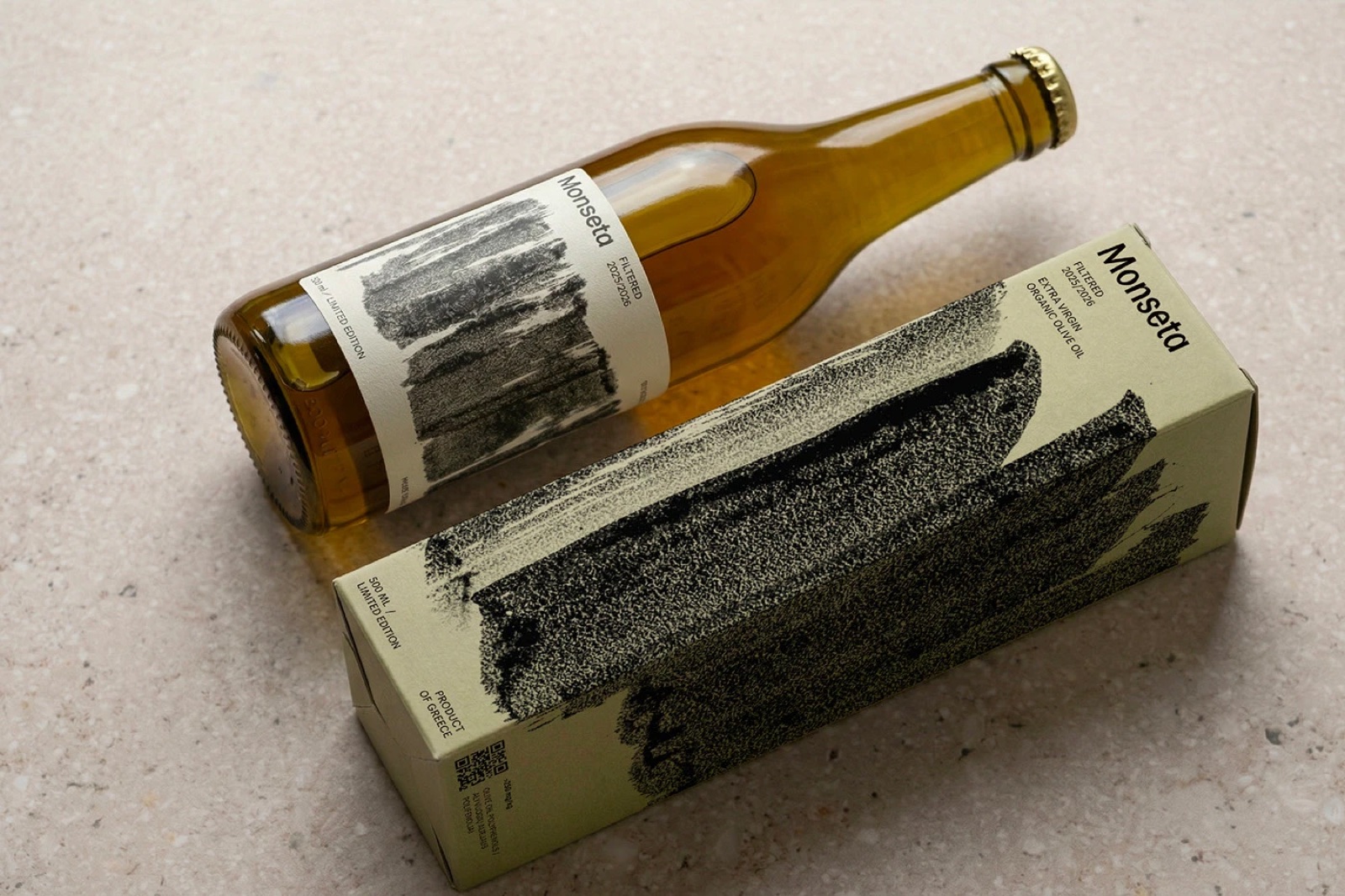
The work begins before colours, images or typefaces are chosen. The first task is to understand what must stay consistent, what needs to change between products and how quickly a customer should recognise both the brand and the exact variant.
Design the range, not only the first pack.
A single hero package can hide decisions that become difficult later. The system has to anticipate the next flavour, a different volume, a gift box, a limited edition or a format with much less printable space.
A packaging system is a set of visual and structural rules that makes every product identifiable on its own while keeping the whole range recognisable as one brand.
Before design begins, map the current SKUs and the likely next ones. Group them by product family, format, size, flavour or function. This reveals which differences are meaningful to a customer and which are only internal production details.
Give every piece of information a clear job.
Packaging rarely fails because it contains too little information. It fails because too many elements compete at the same level. A useful front-of-pack hierarchy normally has to answer these questions in order:
- Who made it?
- What kind of product is it?
- Which variant or benefit makes this one different?
- What must be visible for legal, technical or retail reasons?
The precise order changes by category, but the decision must be deliberate. Brand name, product descriptor, flavour, active ingredient, quantity and mandatory information should not all shout at once.
Separate constants from variables.
The system becomes scalable when the stable brand signals are separated from the elements that identify each SKU.
Keep the recognition assets stable
Logo position, core typography, information zones, image style and the main structural rhythm can create family resemblance. They do not have to be identical on every format, but they should behave according to the same logic.
Let variants change for a reason
Colour, illustration, product photography, flavour name, pattern or material can carry the difference between products. Use the fewest variable devices needed to make the choice clear. If colour already identifies flavours, every other element does not need to change as well.
Plan for more than one format
A bottle label, pouch, carton and gift box cannot share the same layout literally. They can share the same hierarchy, proportions and visual language. The goal is recognisable behaviour, not mechanical duplication.
Production constraints belong in the concept.
Dielines, print methods, materials, finishes, label gaps, seams, barcodes and mandatory copy affect the composition from the beginning. Treating them as a final technical step often breaks the hierarchy that made the design convincing.
- Confirm the actual formats and printable areas before the selected direction is developed too far.
- Test small type, reverses, fine lines and colour contrast against the intended material and printing process.
- Define how the design adapts when information length, language or regulatory copy changes.
- Keep final artwork organised by SKU, format, version and production status.
This is where packaging design and production-ready artwork meet. A beautiful concept still needs rules precise enough for the next file, producer and product.
Stress-test the system before rollout.
Do not test only the easiest product. Apply the design to the shortest and longest names, the lightest and darkest colour, the smallest format, the densest mandatory copy and at least one product that does not fit the initial pattern comfortably.
- Compare the range together. The family should be obvious without making individual variants indistinguishable.
- View it at realistic size. A label that works at 200% on screen may lose its hierarchy on a shelf.
- Check distance and sequence. Test what is recognised from far away and what becomes clear only when the product is picked up.
- Run a production review. Verify dielines, information, barcodes, finishes and file organisation before release.
If every new SKU requires a new creative concept, the result is a collection of packs rather than a packaging system.
What to include in a packaging system brief.
A useful first brief can be short, but it should describe the range rather than only the hero product.
- 01The current and planned product list, grouped into families and variants.
- 02Available formats, dielines, materials and known production constraints.
- 03Existing identity files and the parts of the brand that must remain.
- 04Required languages, mandatory information and retail or e-commerce contexts.
- 05The intended launch sequence and who will maintain the system afterwards.
These inputs make it possible to separate the work into brand clarification, packaging concept, range system, rollout and production artwork. Twelve Moons develops these parts through its packaging design service.
Related work
Systems built around real products.
Packaging project
Need one system across the whole range?
Send the product list, current packaging and any available dielines. That is enough to identify whether the first step is brand clarification, a packaging redesign or a full range system.
Discuss a packaging project